
Tattoo Removal and Hyper pigmentation: Causes, Risks and Treatment Options
Introduction: Tattoo Removal and Hyper pigmentation
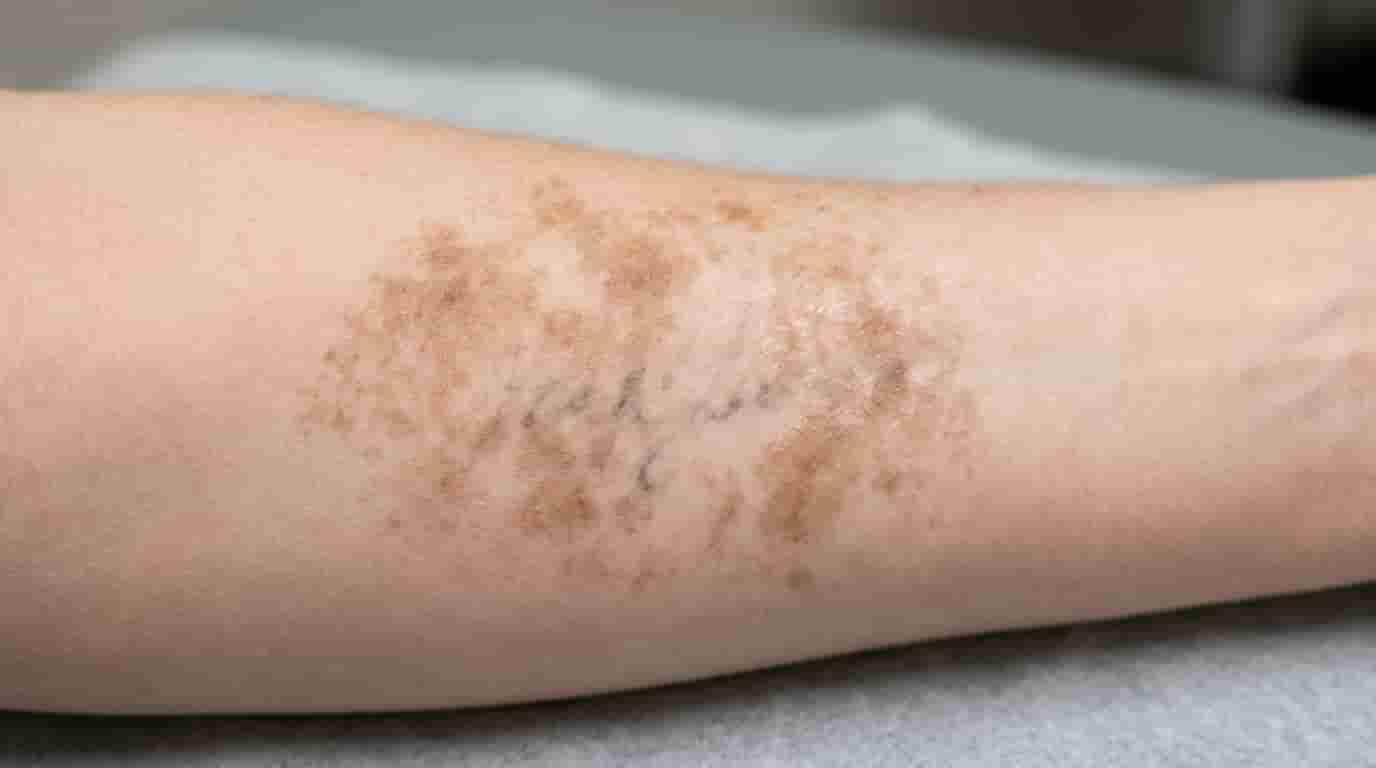
Tattoo removal can sometimes trigger localized hyper pigmentation—a reaction where treated skin becomes noticeably darker, patchy, or uneven post-session. While most people anticipate a gradual return to their natural skin tone as ink fades, the thermal and inflammatory stress of laser removal can stimulate nearby melanocytes (the skin’s pigment-producing cells) to deposit excess melanin into the surrounding tissue.
Post-Treatment Pigment Reaction Profile
| Aspect | Target Ink Absorption | Adjacent Tissue Hyperpigmentation |
| Primary Trigger | Laser targets exogenous ink particles | Thermal inflammation stimulates melanocytes |
| Mechanism | Mechanical shattering for lymphatic clearance | Excess melanin deposited in local epidermal/dermal layers |
| Distribution | Follows the original ink pattern directly | Diffuse, soft-edged, or extending beyond original borders |
| Resolution Pathway | Fades incrementally across laser sessions | Clears via natural cell turnover and targeted skin care |
Developing post-treatment darkening does not mean your procedure failed or that your skin is permanently damaged. Skin responds to thermal, mechanical, and light-based stress in distinct ways depending on individual biology, baseline tone, and aftercare practices. While post-inflammatory discoloration often resolves on its own over several months, persistent changes benefit from informed management, strict sun protection, and occasionally dermatological guidance.
In this practical health-and-safety guide, you will learn:
- The biological difference between lingering tattoo ink and hyperpigmentation
- Primary triggers, including energy settings, baseline melanin levels, and UV exposure
- Visual indicators to identify post-inflammatory pigment changes
- Realistic timelines for fading and factors influencing recovery
- Safe, professional treatment options and products to avoid
- How skin tone affects risk, along with practical steps to safeguard future sessions
What Is Hyperpigmentation After Tattoo Removal?
What Does Hyperpigmentation Mean?
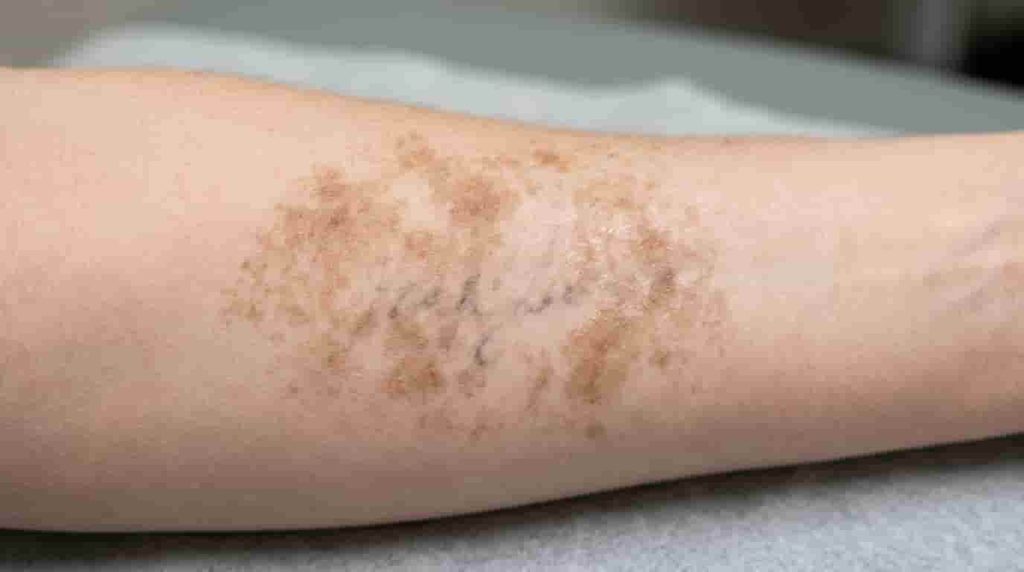
Hyperpigmentation refers to any area of skin that becomes visibly darker than the surrounding tissue. It occurs when specialized epidermal cells called melanocytes overproduce melanin—the pigment responsible for human skin, hair, and eye color—or distribute it unevenly in response to stress or inflammation. Following a tattoo removal session, this reaction usually presents as localized tan, brown, deep brown, or grayish patches directly within or adjacent to the treated area.
Differentiating Skin Changes Post-Session
| Feature | Residual Tattoo Ink | Post-Inflammatory Hyperpigmentation (PIH) |
| Source | Exogenous pigment suspended in the dermis | Endogenous biological melanin produced by skin cells |
| Boundaries | Sharply defined, matching original artwork lines | Soft-edged, patchy, or feathered into surrounding skin |
| Topical Response | Unaffected by topical skin-brightening agents | Responds over time to targeted dermatological topicals |
| Clearance Route | Requires mechanical breakdown and lymphatic drainage | Sheds gradually as epidermal skin cells turn over |
How Tattoo Removal Affects Skin Pigmentation
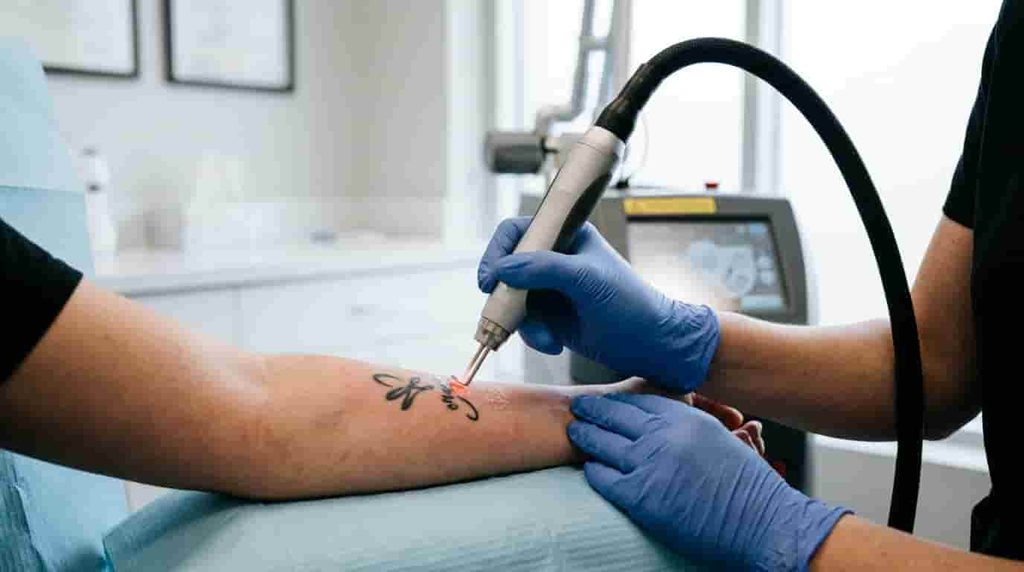
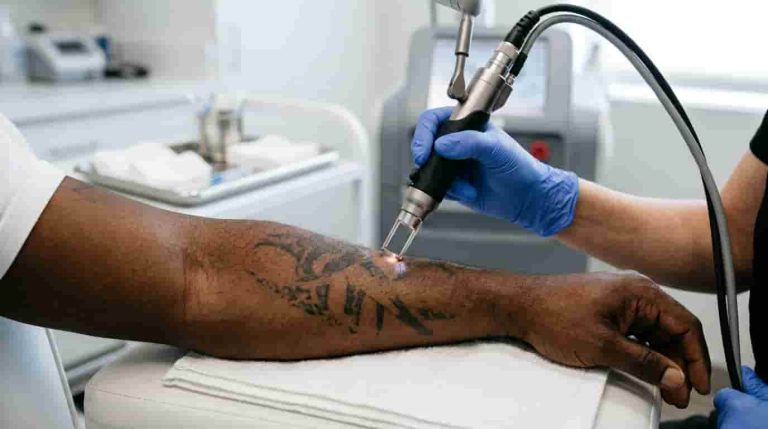
Energy-based removal procedures—most notably Q-switched and picosecond laser platforms—deliver high-intensity light to shatter targeted ink particles. Although modern lasers are tuned to specific ink wavelengths, surrounding skin tissues inevitably absorb a portion of this energy. This localized heat creates controlled micro-trauma that sparks an inflammatory healing response. As immune cells clear shattered ink particles, adjacent melanocytes can become hyperactive, depositing extra melanin into the repair site as a protective reaction.
Hyperpigmentation vs. Remaining Tattoo Ink
Distinguishing true hyperpigmentation from remaining tattoo ink is critical before proceeding with further treatment. Residual ink consists of exogenous pigment sitting deep within the dermal layer, featuring defined edges that mirror the original design.
In contrast, hyperpigmentation consists of your body’s own melanin deposited near the surface, appearing as soft-edged, diffuse, or patchy discoloration. Confusing the two can lead to improper care: firing additional laser pulses into an area with active hyperpigmentation will further irritate melanocytes, worsening discoloration rather than clearing it.
What Causes Hyper pigmentation After Tattoo Removal?
The Skin’s Response to Heat and Trauma
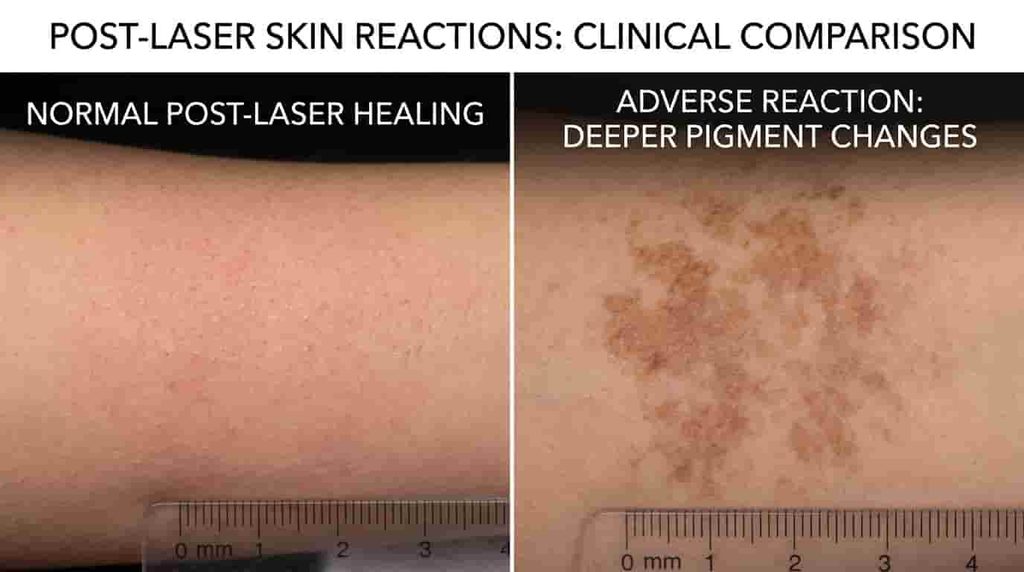
When high-energy light pulses strike skin tissue, photothermal and photomechanical shockwaves break apart ink deposits while creating localized micro-inflammation. This inflammatory cascade releases signaling molecules known as cytokines and prostaglandins, which stimulate nearby melanocytes. Accelerated melanin production and transfer to surrounding skin cells (keratinocytes) is known as post-inflammatory hyperpigmentation (PIH)—the skin’s natural defense mechanism against thermal or mechanical injury.
Skin Tone and Melanin Concentration
Higher baseline concentrations of natural melanin influence how skin absorbs energy during removal procedures. In darker skin types, epidermal melanin competes directly with tattoo ink for light absorption. When competitive absorption occurs, a larger portion of energy is trapped in the upper skin layers rather than reaching the deeper ink. This excess thermal absorption can cause localized overheating, increasing the risk of secondary pigment changes.
Primary Risk Factors for Post-Removal Hyperpigmentation
- High Baseline Melanin: Increases competitive light absorption at the epidermal level.
- Recent UV Exposure: Activates melanocytes prior to treatment, making them more sensitive to heat.
- Aggressive Energy Settings: Excessive laser fluence generates surplus heat that diffuses into healthy tissue.
- Overlapping Laser Passes: Firing multiple pulses over the same spot traps excessive heat in local tissue.
- Insufficient Interval Between Sessions: Stacking stress on unhealed skin layers prevents tissue recovery.
Treatment Settings and Technique
Laser parameters—including fluence (energy density), spot size, wavelength, and pulse duration—directly impact tissue response:
- Excessive Fluence: High energy settings generate surplus heat that spreads into surrounding skin tissue.
- Incorrect Wavelengths: Using wavelengths that target baseline skin pigment rather than the specific ink color causes thermal absorption in healthy tissue.
- Overlapping Passes: Firing multiple laser pulses over the same spot in a single session traps heat within dermal layers.
- Inadequate Cooling: Skipping skin cooling before, during, or after treatment lets thermal energy linger in tissue.
Sun Exposure and Ultraviolet Radiation
Exposing recently treated skin to ultraviolet (UV) radiation is one of the most common causes of post-removal hyperpigmentation. UV rays directly stimulate melanocytes to synthesize melanin. When UV exposure combines with active internal inflammation from a recent laser session, pigment production increases significantly, turning temporary post-laser redness into long-lasting dark patches.
Individual Skin Characteristics and Medical History
Every individual’s skin repairs itself at a different pace. Key personal factors include:
- Fitzpatrick Skin Type: Higher Fitzpatrick types (IV through VI) naturally carry an elevated PIH risk.
- Personal PIH Tendency: A history of dark spots forming after minor cuts, acne breakouts, or insect bites indicates sensitive melanocytes.
- Tattoo Depth and Age: Older or deeper tattoos often require higher energy levels or more sessions, increasing cumulative thermal exposure.
- Tattoo Location: Areas with thinner skin or slower circulation (such as ankles or wrists) heal more slowly than fleshier areas like the thigh or upper arm.
What Does Hyper pigmentation From Tattoo Removal Look Like?
Visual Characteristics by Skin Tone
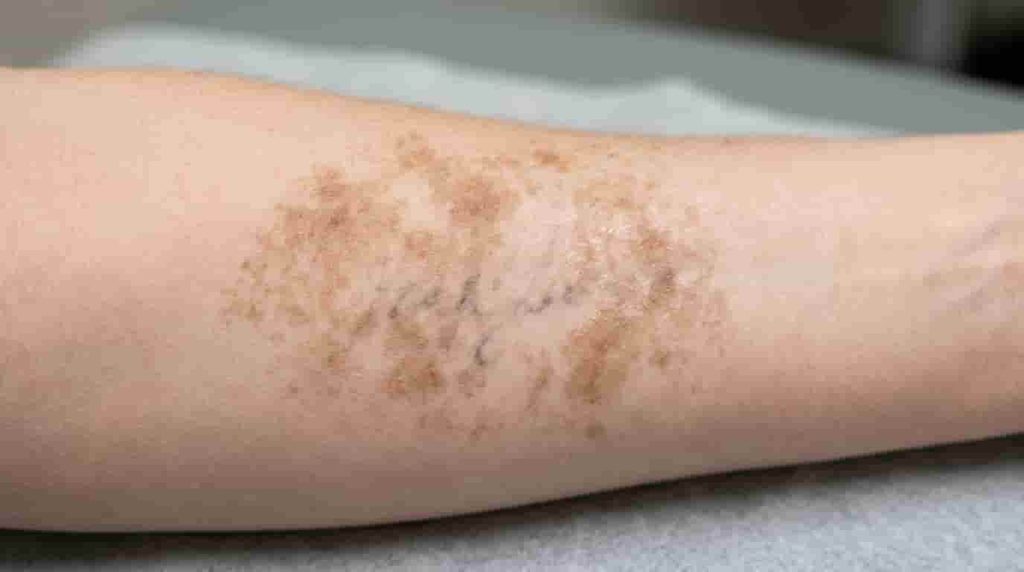
| Baseline Skin Tone | Typical Hyperpigmentation Appearance |
| Light / Fair Complexions | Tan, light brown, or reddish-brown patches |
| Medium / Olive Complexions | Medium brown, deep brown, or hazelnut-colored marks |
| Dark / Deep Complexions | Dark brown, deep gray-black, or slate-colored shadowing |
Common presentation patterns include:
- Diffused Shadowing: A hazy, tan or brown shadow extending beyond the original lines of the tattoo.
- Mottled or Patchy Discoloration: Irregular spots scattered across the treated area, creating an uneven tone.
- Halo Effect: A darkened ring surrounding a lightened or faded portion of the tattoo.
- Textural Uniformity: Unlike scabs or raised scars, pure hyperpigmentation is flat and sits flush with surrounding healthy skin.
Distinguishing Post-Laser Reactions
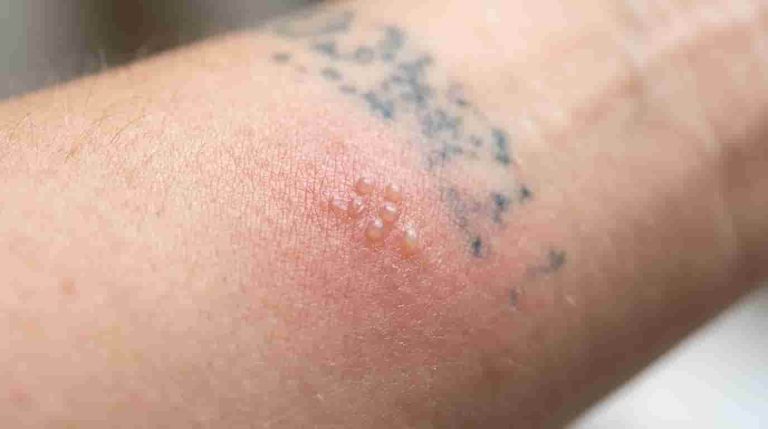
- Redness, Swelling, or Blistering: Acute inflammatory response or mild thermal burn immediately post-treatment. If you suspect your reaction involves surface thermal injury rather than pure pigment changes, read our guide on Tattoo Removal Burns: Causes, Symptoms, Treatment and Healing for emergency care protocols.
- Flat Dark Patches: Post-inflammatory hyperpigmentation caused by excess melanin accumulation.
- Smooth White or Pale Patches: Hypopigmentation caused by the temporary loss or destruction of baseline melanin.
- Raised, Firm, Textured Tissue: Hypertrophic or keloid scarring resulting from excess collagen formation during deep tissue healing.
Is Hyper pigmentation After Tattoo Removal Permanent?
The Fading Timeline
In most cases, post-inflammatory hyperpigmentation is temporary. As your skin naturally sheds surface cells and generates new ones, excess melanin deposits rise toward the surface and flake off over time.
- Months 1–2: Pigment stabilizes as acute inflammation resolves.
- Months 3–6: Gradual fading begins alongside natural cell turnover.
- Months 6–12: Significant lightening occurs; skin tone blends back toward baseline.
- 12+ Months: Persistent pigment stabilizes and may benefit from targeted dermatological therapies.
However, if excess melanin drops into the deeper dermal layers—a condition known as pigmentary incontinence—the fading process takes longer because dermal macrophage cells clear pigment much slower than surface epidermal cells.
Key Factors Influencing Pigment Longevity
- Depth of Pigment: Epidermal (surface) pigmentation fades significantly faster than deep dermal pigmentation.
- UV Protection Habits: Consistent use of broad-spectrum sunscreen prevents UV light from re-triggering melanin production.
- Ongoing Skin Irritation: Friction from tight clothing or harsh chemical products keeps tissue inflamed, prolonging discoloration.
- Natural Cell Turnover Rate: Healthy, hydrated skin replaces surface cells faster, accelerating natural fading.
How Can You Treat Hyperpigmentation After Tattoo Removal?
1. Professional Assessment
Before applying topical brightening creams or undergoing corrective procedures, have your skin evaluated by a licensed dermatologist or specialist. A professional assessment confirms whether the dark spot is epidermal hyperpigmentation, deep dermal pigment, residual tattoo ink, or early scarring—ensuring your treatment plan is both safe and effective.
2. Strict Daily Sun Protection
Protecting the area from UV rays is essential when managing hyperpigmentation. Sun exposure sparks new melanin production, undoing months of progress.
- Apply broad-spectrum sunscreen with SPF 30 or higher (preferably containing zinc oxide or titanium dioxide) daily.
- Reapply sunscreen every two hours when outdoors, or immediately after swimming or sweating.
- Keep the treated area covered with sun-protective clothing (UPF 50+) whenever possible.
3. Targeted Topical Brightening Agents
Once the skin barrier has fully healed and all surface crusting or peeling has resolved, a dermatologist may recommend topical treatments to slow melanin production and support cell renewal:
- Tyrosinase Inhibitors: Ingredients like azelaic acid, kojic acid, arbutin, vitamin C, and licorice root extract help block tyrosinase—the primary enzyme involved in melanin synthesis.
- Niacinamide (Vitamin B3): Inhibits the transfer of melanin from melanocytes to surrounding surface skin cells.
- Gentle Topical Retinoids: Accelerate surface cell turnover to help shed superficial pigment deposits faster.
- Mild Chemical Exfoliants: Low-concentration alpha-hydroxy acids (like glycolic or lactic acid) help clear away darkened surface cells gently. Introduce these slowly to avoid triggering secondary inflammation.
4. Specialized Professional Procedures
If hyperpigmentation persists after several months of conservative topical care, a dermatologist may suggest gentle, controlled clinical options:
- Superficial Chemical Peels: Light, professionally applied mandelic or salicylic acid peels help clear surface pigment without overheating tissue.
- Low-Fluence Toning Lasers: Micro-pulsed, low-energy laser toning can help break up stubborn melanin deposits without creating new thermal damage.
Avoid Over-the-Counter Tattoo Removal Creams
Topical products marketed as over-the-counter tattoo removal creams should never be used to treat post-treatment hyperpigmentation. These products often rely on harsh acids, bleaching agents, or abrasive chemicals designed to strip outer skin layers. Applying them to fragile, hyperpigmented skin causes severe chemical irritation, disrupts the protective skin barrier, and frequently worsens discoloration.
Can You Get Another Tattoo Over Skin With Hyperpigmentation?

Evaluating Skin Readiness
Getting a new tattoo over an area affected by hyperpigmentation depends entirely on the overall health and stability of your skin. If the discoloration is purely a visual pigment change and the tissue beneath is smooth, flexible, and fully healed, tattooing over the site is generally safe.
However, if the hyperpigmentation is accompanied by ongoing inflammation, tenderness, or structural changes like scarring, adding new tattoo ink can cause further irritation and lead to unpredictable pigment distribution.
Pre-Tattoo Readiness Checklist
Before tattooing over previously treated skin, verify that:
- [ ] A minimum of 3 to 6 months has passed since your last laser removal session.
- [ ] The epidermal barrier is completely intact with no peeling, cracking, or raw skin.
- [ ] There is zero localized heat, tenderness, itching, or active swelling.
- [ ] Skin texture is flush and smooth, with no raised keloids or indented scars.
- [ ] The area has been evaluated and cleared by an experienced tattoo artist and practitioner.
Tattoo Cover-Up vs. Skin Recovery
- Tattoo Cover-Up: Deposits new ink into the dermal layer to visually conceal old ink or hyperpigmented patches. While a cover-up hides discoloration, it does not clear the underlying excess melanin.
- Dermal Healing: Focuses on calming hyperactive melanocytes and clearing extra pigment, helping the skin return to its natural baseline before new ink is applied.
Tattoo Removal and Skin Tone: Why It Matters
Your baseline skin tone plays a key role in deciding laser wavelengths, safe energy levels, and treatment intervals. Richly pigmented skin contains higher levels of active epidermal melanin, which readily absorbs laser energy. To explore how baseline tone dictates safety protocols, read our comprehensive overview on Tattoo Removal and Skin Tone: Does Skin Color Affect Treatment?
Fitzpatrick Skin Type & Laser Risk Profile
| Fitzpatrick Skin Type | Baseline Melanin Risk | Recommended Treatment Approach |
| Types I – II | Low competitive light absorption | Standard spot size and energy parameters |
| Types III – IV | Moderate risk of post-inflammatory pigment changes | Extended pulse widths and active cooling |
| Types V – VI | High risk of hyperpigmentation / hypopigmentation | 1064 nm Nd:YAG laser with conservative energy levels |
To prevent thermal complications, practitioners treating darker complexions often use longer wavelengths, such as the 1064 nm Nd:YAG laser. This wavelength passes through surface melanin more effectively to target deep ink deposits with lower absorption in the epidermis. For complexion-specific strategies, review our dedicated guides:
- Tattoo Removal for Light Skin: What to Expect and How Well Does It Work?
- Tattoo Removal for Dark Skin: Does It Work and Is It Safe?
How to Reduce the Risk of Hyper pigmentation During Tattoo Removal
Choose a Qualified Practitioner and Certified Clinic
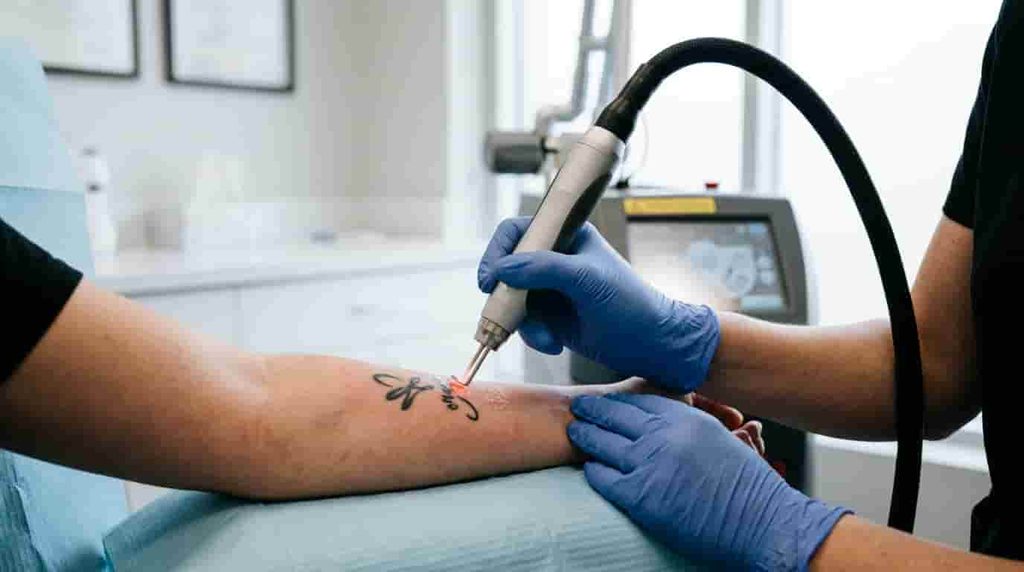
Preventing hyperpigmentation starts with choosing the right provider. Look for a licensed medical professional or certified technician at a reputable clinic who understands skin mechanics and pigment management.
- Verify medical director oversight or a board-certified practitioner on staff.
- Ensure the clinic has documented experience treating your specific Fitzpatrick skin type.
- Confirm the use of advanced laser equipment paired with active cooling systems (e.g., cold air chillers).
- Request a patch test before treating large areas.
- Ensure comprehensive pre- and post-treatment protocols are provided in writing.
Request a Patch Test
Before starting full treatment, ask your technician to perform a patch test on a small, discreet portion of your tattoo. Waiting two to four weeks after a patch test allows your provider to observe how your skin and melanocytes react to specific laser settings before proceeding with the entire design.
Pre- and Post-Care Guidelines
Pre-Treatment Guidelines:
- Avoid direct sun exposure and tanning beds for 4 to 6 weeks prior to your session.
- Discontinue self-tanning products at least 4 weeks before treatment.
- Stop photosensitizing medications or topicals as advised by your practitioner.
- Keep skin hydrated and protected with gentle moisturizers.
Post-Treatment Guidelines:
- Apply cool compresses wrapped in sterile cloth immediately following your session.
- Keep the area clean, dry, and protected for the first 48 hours.
- Avoid picking scabs, popping blisters, or scratching the skin.
- Wear broad-spectrum SPF 30+ daily and keep the treated area shaded.
What Should You Do If Pigmentation Gets Worse?
Action Plan for Worsening Pigmentation
- Pause All Laser Sessions: Stop further thermal energy input immediately to allow melanocytes to settle.
- Contact Your Clinic: Schedule a physical evaluation with your practitioner to review energy parameters and skin response.
- Cool and Soothe: Focus on calming active inflammation using gentle, non-comedogenic emollients.
- Strict UV Shielding: Block all direct and indirect sunlight from the site using physical barriers and mineral sunscreen.
- Dermatology Referral: Seek specialized clinical care if discoloration continues to progress after stopping sessions.
When Medical Assessment Is Necessary
While mild pigment changes are common after laser treatments, persistent or unusual discoloration warrants evaluation by a board-certified dermatologist. Seek professional medical care if you notice:
- Pigmentation that darkens continuously months after your last session.
- Discoloration accompanied by thick, raised, or expanding scar tissue.
- Signs of a secondary bacterial infection, such as yellow discharge, red streaks, or worsening pain.
- Complete loss of pigment (hypopigmentation) leaving chalk-white patches.
Common Mistakes to Avoid

- Mistaking Pigment Changes for Remaining Ink: Firing additional high-energy laser pulses into active hyperpigmentation irritates melanocytes further, deepening discoloration.
- Rushing Follow-Up Sessions: Scheduling treatments too close together stacks heat stress onto unhealed tissue. Allow at least 8 to 12 weeks between sessions if your skin is prone to PIH.
- Skipping Sun Protection: Unprotected UV exposure turns mild, temporary darkening into long-lasting, stubborn patches.
- Using Unverified Bleaching Creams: Applying harsh over-the-counter fading products to sensitive skin causes chemical irritation that worsens pigment changes.
- Selecting Clinics Based Solely on Price: Booking low-cost treatments at unaccredited facilities often leads to improper laser settings and inadequate skin assessments.
- Aggressive Exfoliation: Scrubbing, rubbing, or using harsh physical scrubs on irritated skin aggravates sensitive tissue and delays recovery.
Tattoo Removal Cost and Hyperpigmentation Risk
When planning your treatment, view the total cost of tattoo removal as an investment in skin safety rather than just a per-session expense. Accredited clinics invest in modern picosecond lasers, integrated skin-cooling systems, and certified medical staff—all of which reduce treatment risks.
| Consideration | Discount Clinics | Accredited Medical Clinics |
| Equipment | Older, high-heat Q-switched lasers | Modern picosecond platforms with integrated cooling |
| Protocol | Fixed, rigid energy protocols | Customized settings tailored to skin type and reaction |
| Risk Profile | Elevated risk of thermal complications and PIH | Lower risk of adverse pigment changes |
| Long-Term Value | Potential added costs for corrective skin treatments | Lower overall risk of long-term complications |
Saving money upfront at an unaccredited facility can lead to higher long-term costs if you need corrective dermatological care for hyperpigmentation or scarring. Investing in experienced practitioners and advanced technology helps protect your skin throughout the removal process.
Frequently Asked Questions
What causes hyperpigmentation after tattoo removal?
Hyperpigmentation occurs when heat from laser treatment triggers a local inflammatory response, stimulating melanocytes to produce extra melanin. Factors like high energy settings, sun exposure, higher natural melanin levels, and improper aftercare increase the likelihood of this reaction.
What fades hyperpigmentation quickly?
There is no overnight fix for hyperpigmentation. The safest way to clear excess pigment is to protect the skin from UV light with SPF 30+ sunscreen, keep the area moisturized, and use gentle, dermatologist-approved brighteners like azelaic acid, vitamin C, or niacinamide once the skin has fully healed.
Does hyperpigmentation from tattoo removal go away?
Yes, most post-inflammatory hyperpigmentation fades naturally over 3 to 12 months as your skin sheds old cells and generates new ones. However, deep dermal pigmentation or areas exposed to UV light without protection can take longer to lighten.
Can tattoo removal cause long-term skin changes?
While standard removal procedures leave skin smooth and healthy once healed, improper laser settings, severe thermal burns, or poor aftercare can lead to long-term changes, such as permanent hypopigmentation (light spots), stubborn hyperpigmentation (dark spots), or raised scar tissue.
Can I get a tattoo if I have hyperpigmentation?
You can get a new tattoo over hyperpigmented skin once the tissue is completely healed, smooth, and free of active inflammation. However, getting inked over irritated or unhealed skin can lead to unpredictable results. Have your skin evaluated by a professional before scheduling a cover-up session.
Conclusion: Tattoo Removal and Hyperpigmentation
Experiencing post-treatment discoloration can be frustrating, but understanding how skin recovers helps you manage the healing process with confidence. Tattoo removal and hyperpigmentation are closely linked through your body’s natural inflammatory response—darkened spots usually reflect hyperactive melanocytes rather than leftover tattoo ink.
Key steps for recovery and safety include:
- Identify: Confirm whether dark spots are melanin or remaining tattoo ink.
- Protect: Apply broad-spectrum SPF 30+ daily and keep treated skin shaded.
- Pause: Allow full skin recovery before scheduling additional laser sessions.
- Consult: Work alongside dermatologists and certified laser specialists.
By prioritizing gentle aftercare, maintaining strict sun protection, and working with certified specialists who understand skin biology, you can lower treatment risks and support healthy recovery. Always treat your skin’s health as the main priority—allowing adequate time to heal is the surest path to achieving a clear canvas safely.
3 Comments